
Research and Development
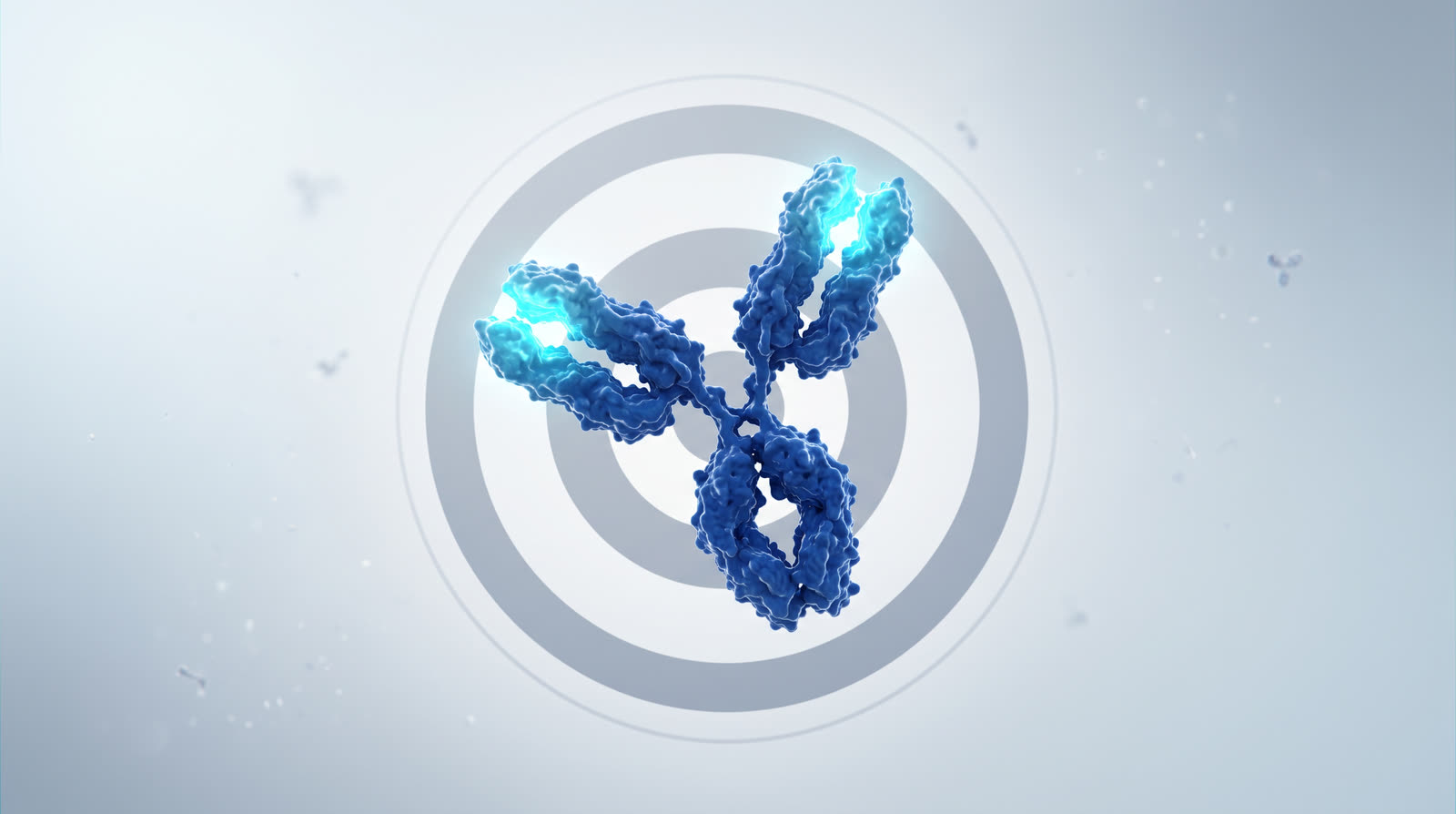
Stealth-Body, a delivery vehicle
Stealth-Body, a delivery vehicle
that goes only where it is aimed
Approach & Strategy
Stealth-Body
By blocking FcγR-mediated off-target uptake, Stealth-Body narrows the routes by which an antibody reaches cells and tissues it was never meant for.
Because target binding is fully preserved, it can extend beyond ADCs into a platform for delivering nucleic acids, proteins and other therapeutic payloads.
Wild-type Fc vs Stealth-Body
18 sec · Wild-type Fc antibodies bind immune cells; Stealth-Body passes them by and reaches disease cells.
Platform extension across modalities
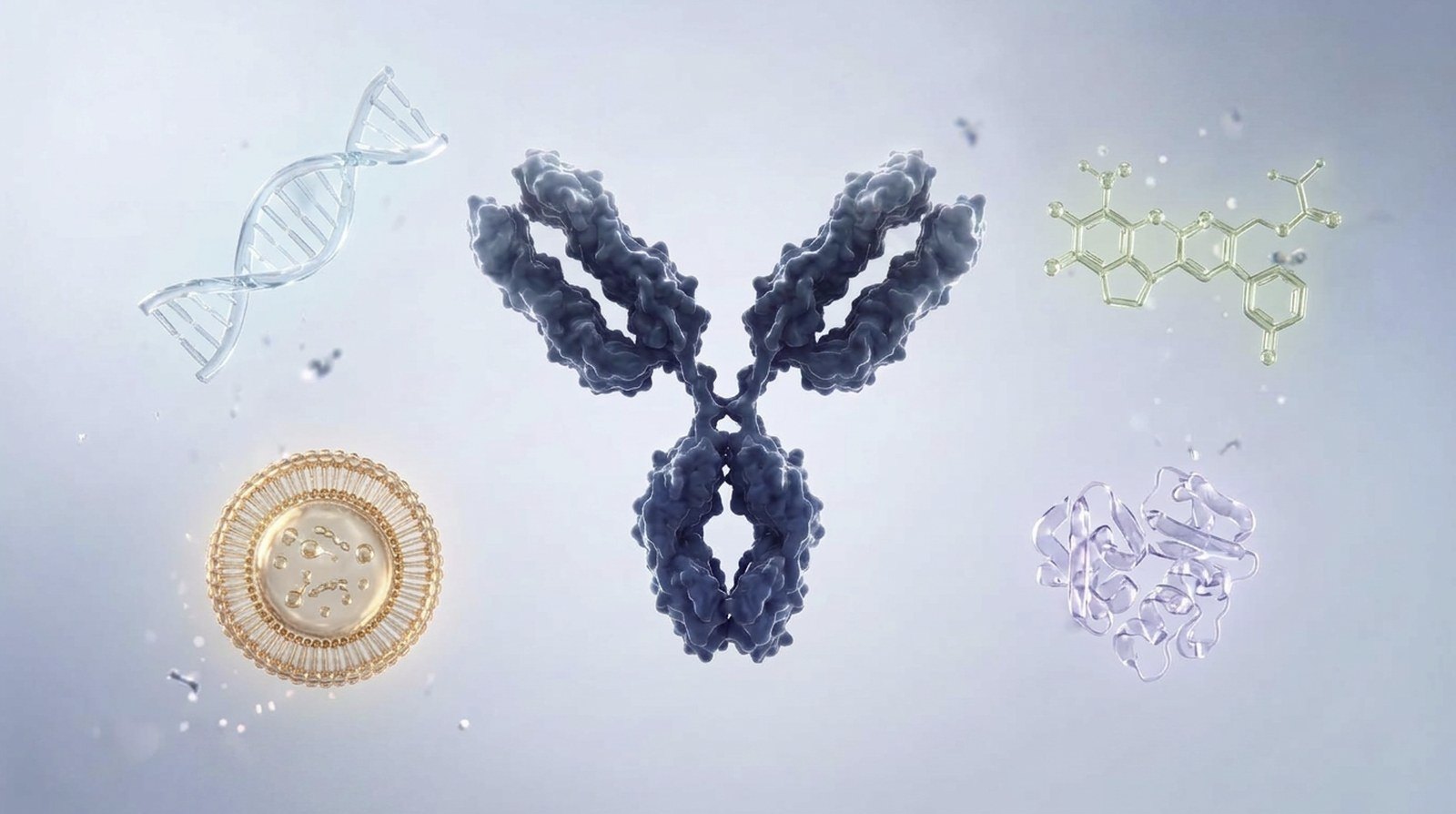
Where Fc-mediated immune responses are unnecessary on an antibody’s way to its target — or even a source of toxicity — Stealth-Body, with Fc function minimized, can serve as a new delivery platform.
- Antibody–drug conjugates (ADC) — minimizing toxicity in normal tissue by reducing FcγR-mediated uptake into non-target cells
- Antibody–oligonucleotide conjugates (AOC) — selectively delivering siRNA, ASO and other nucleic-acid therapeutics to target cells without unnecessary effector function
- Certain bispecifics and cell engagers — minimizing unintended Fc-receptor crosslinking and off-target immune-cell activation
- Fc-fusion proteins and receptor-blocking antibodies — selectively modulating only the signaling pathway needed, without depleting target cells
- Antibody-targeted lipid nanoparticles (LNP) — using the antibody as a targeting ligand while minimizing Fc-mediated uptake by immune cells
Development stage
Contact
Get in touch